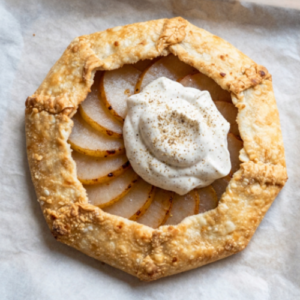
Asian pears originated in China and Japan and have been grown in these and other Asian nations for over 3000 years. Asian pears first came to the to the west coast of the US during the Gold Rush and railroad construction era in the mid-1850s. They made their way to the south during reconstruction. European pears were grown to a very limited degree in the south because of a high susceptibility to fire blight. However Asian pears have better resistance to this disease. A ripe European pear has a soft, melting texture, and creamy flesh while Asian pears are very firm, crisp, juicy, and sweet. Asian pears are also shaped more like an apple than a traditional pear. Another characteristic of Asian pears is in the mouthfeel which is somewhat gritty. In the South, they are sometimes called sand pears. The taste and texture of these pears lend themselves to eating fresh out of hand like apples.
Peak Time: August to September
Average Price: $1.55 per pound
Tips for Selection and Storage: Asian pears ripen on the tree. They are ready to pick if they detach easily from the tree with the stem. In the market choose pears that are golden yellow or bronze with no green undertone, firm, and fragrant. They should be heavy for their size with no cuts or bruises. They usually come wrapped in soft foam or paper. Since they are ripe when purchased, they should be eaten within a few days stored unwashed at room temperature, and after that in the crisper drawer of the refrigerator.
Tips for Preparation: When ready to eat, rinse under cold running water and dry well. They may be eaten peeled or unpeeled. When cut, you can submerge them for 30 seconds in cold water with honey to keep from browning. In salads and slaws, the marinade will prevent the enzymatic browning. They hold up well for baking and in steamed desserts. They make great preserves and sauces as well as marinades. They are the secret ingredient in restaurant quality Korean Bulgogi or Galbi marinades.
Nutritional Highlights: Asian pears are low in calories, about 40 calories per serving. They are excellent hydrators, especially in the hot summer months. These pears contain natural electrolytes like potassium and magnesium as well as the important mineral, copper. They contain high amounts of vitamins C, K and folate. They are rich in both soluble and insoluble dietary fibers, up to 10 grams in large pears. It is highly recommended to eat the peel as much of the insoluble fiber is concentrated there. These fibers are prebiotics, feeding beneficial bacteria to the gut microbiome and producing short-chain fatty acids that have hypolipidemic, hypoglycemic, gut microbiota-regulating, and anti-obesity effects. The phytonutrients in Asian pears have excellent antioxidant, anti-inflammatory, lung-protective, antihyperglycemic, and antimicrobial activities.